Analysis of WeTheNorth Market
Comprehensive operational history, architecture review, and feature analysis of the platform ecosystem. Detailed mapping of cryptographic implementations and routing configurations.
Executive Summary
WeTheNorth Market operates as a decentralized hidden service accessible exclusively via the Tor network. Established to facilitate the exchange of digital goods and physical commodities, the platform utilizes advanced onion routing to maintain cryptographic anonymity for its participants.
Observers note that the infrastructure is heavily inspired by Canadian motifs, catering extensively to specific geographic sectors while maintaining a broader international presence. The marketplace relies entirely on cryptocurrency integration, utilizing public-key cryptography to secure internal communications and transaction data.
Historical Timeline
Genesis Block
The initial infrastructure of WeTheNorth Market was established on the Tor network. Early smart-contracts and basic escrow systems were deployed for beta testing.
XMR Integration Protocol
Platform architecture underwent a major revision to mandate Monero (XMR) support, shifting away from transparent ledger systems to enhance operational privacy.
Multisignature Implementation
Introduction of 2-of-3 multisignature escrow systems. This allowed network participants to execute transactions without relying on centralized platform wallets.
Technical Architecture
Cryptographic Standards
- Mandatory PGP encryption for all communications.
- 2FA (Two-Factor Authentication) enforced via public PGP keys upon authentication.
- Automated session termination upon idle detection to prevent unauthorized hardware access.
Financial Routing
- Native support for Monero (XMR) ring signatures.
- Traditional Bitcoin (BTC) integration via internal mixing apparatus.
- Walletless payment options allowing direct funding of individual orders rather than centralized account balances.
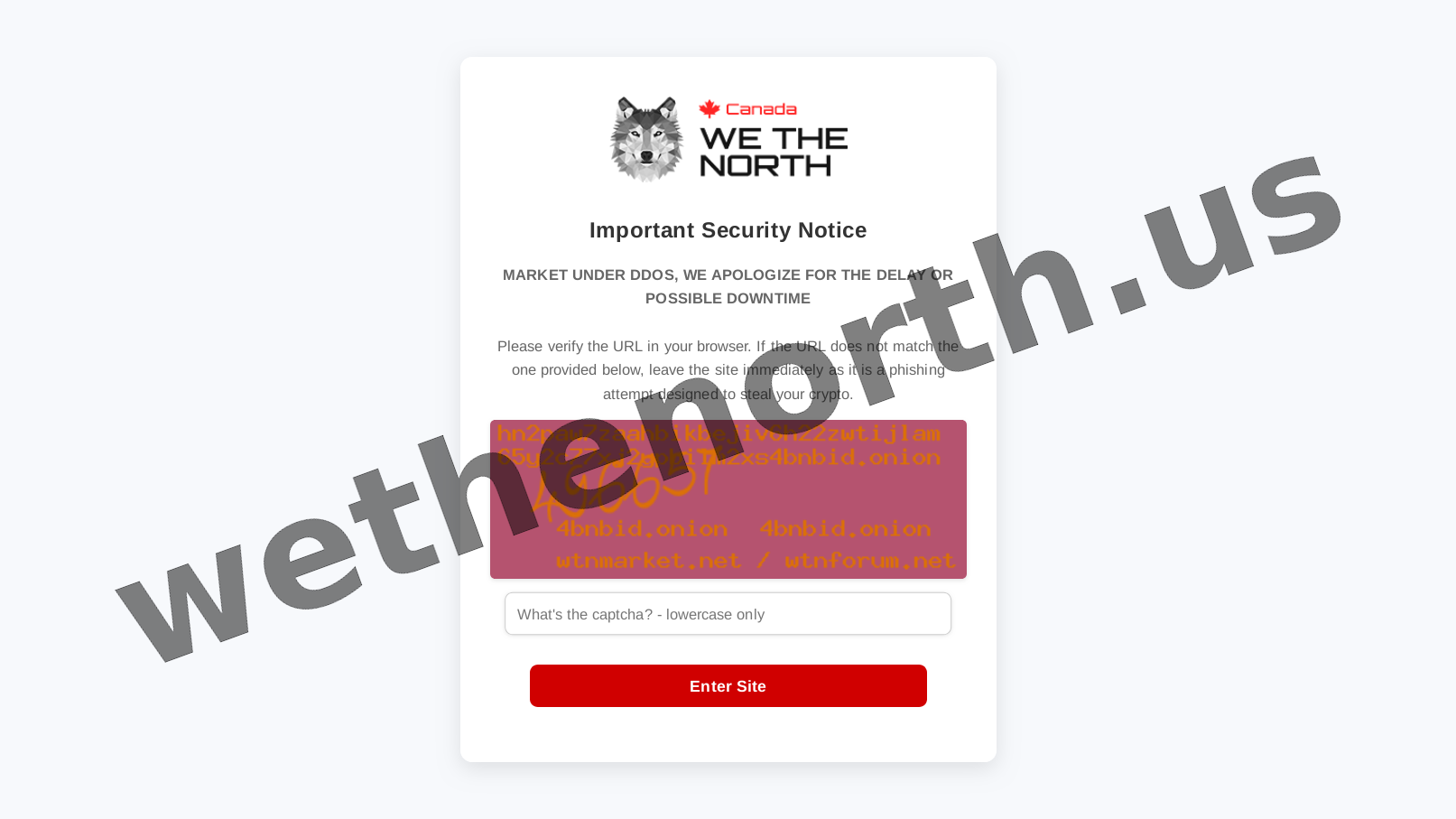
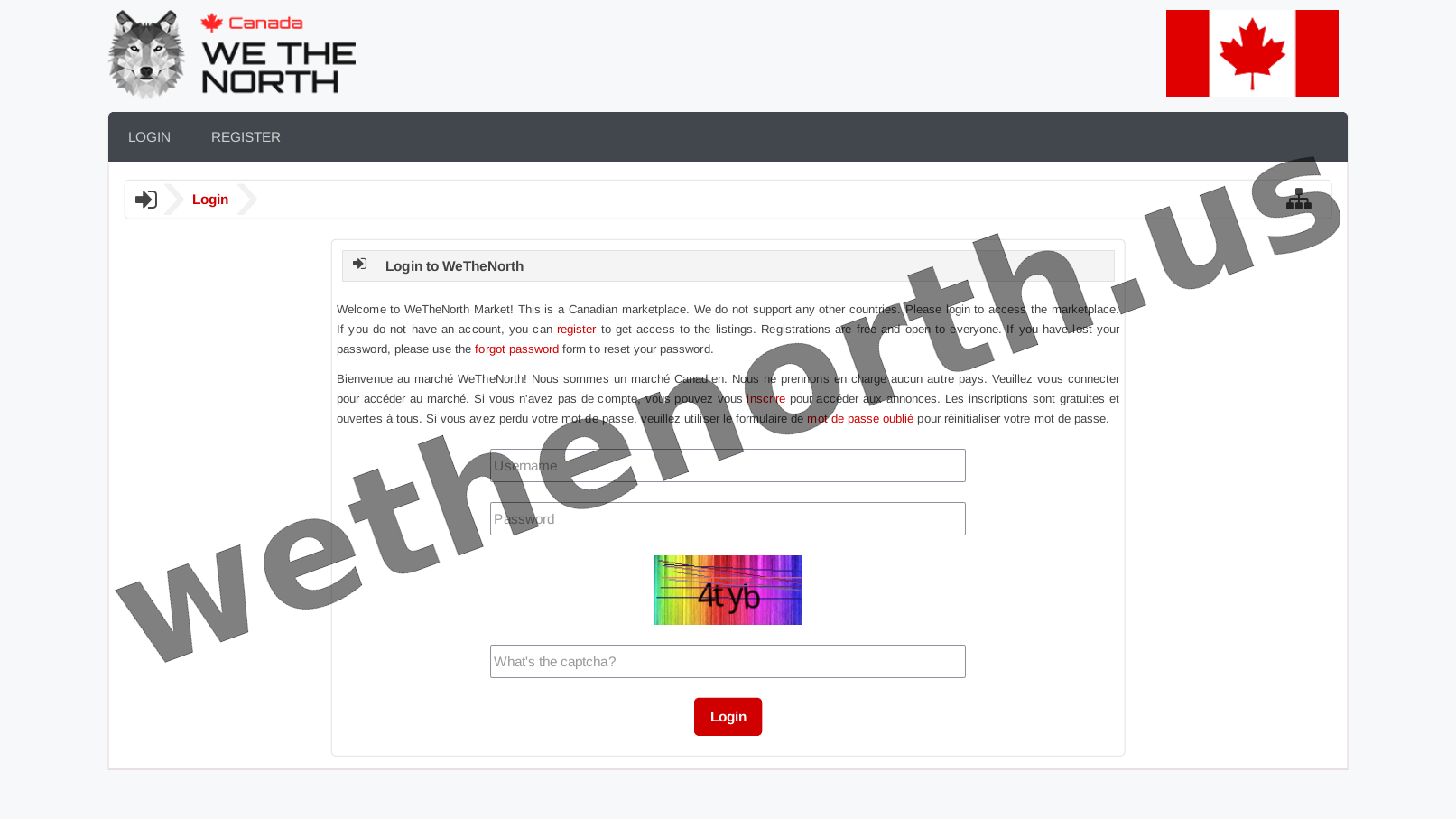
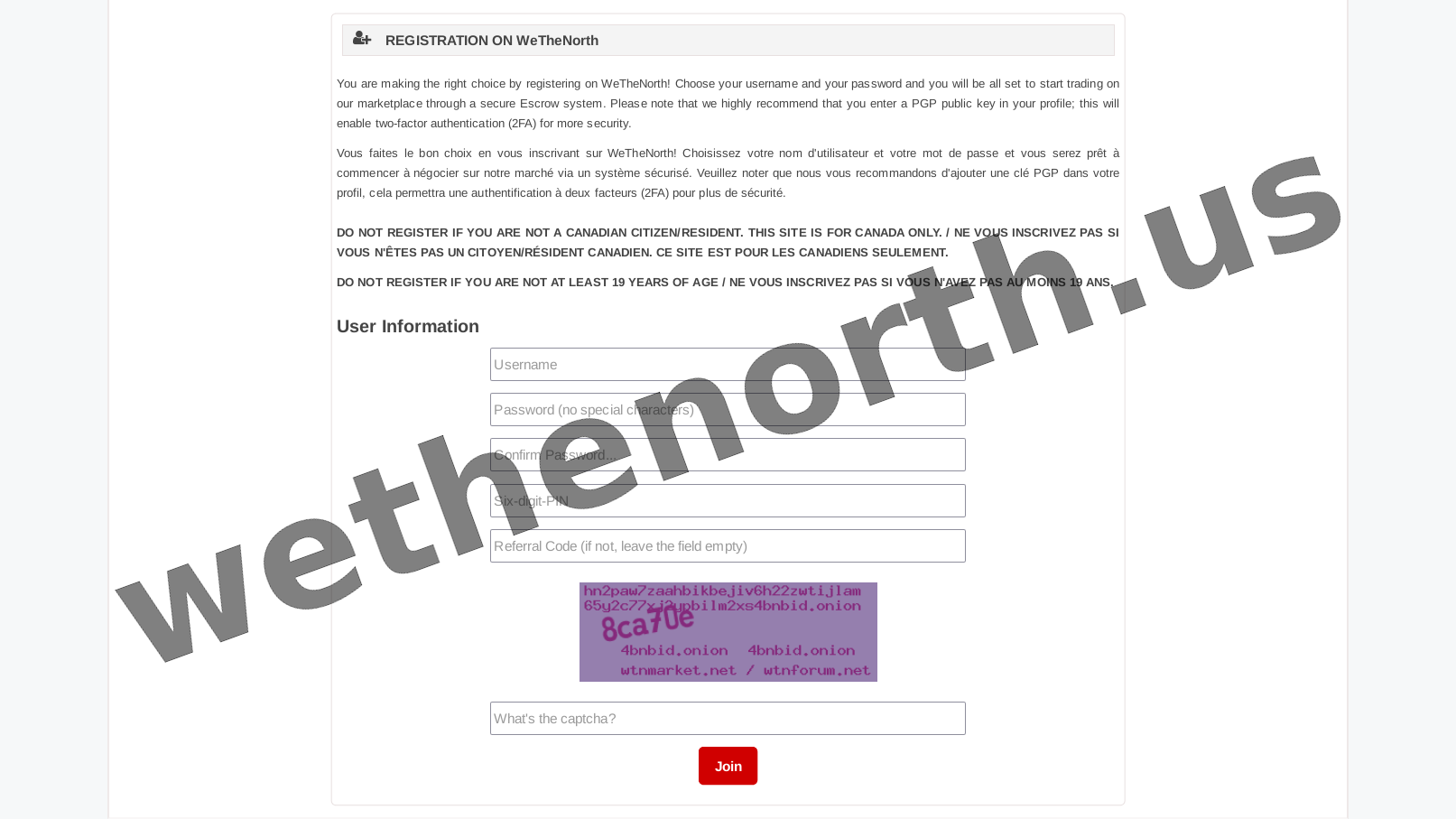
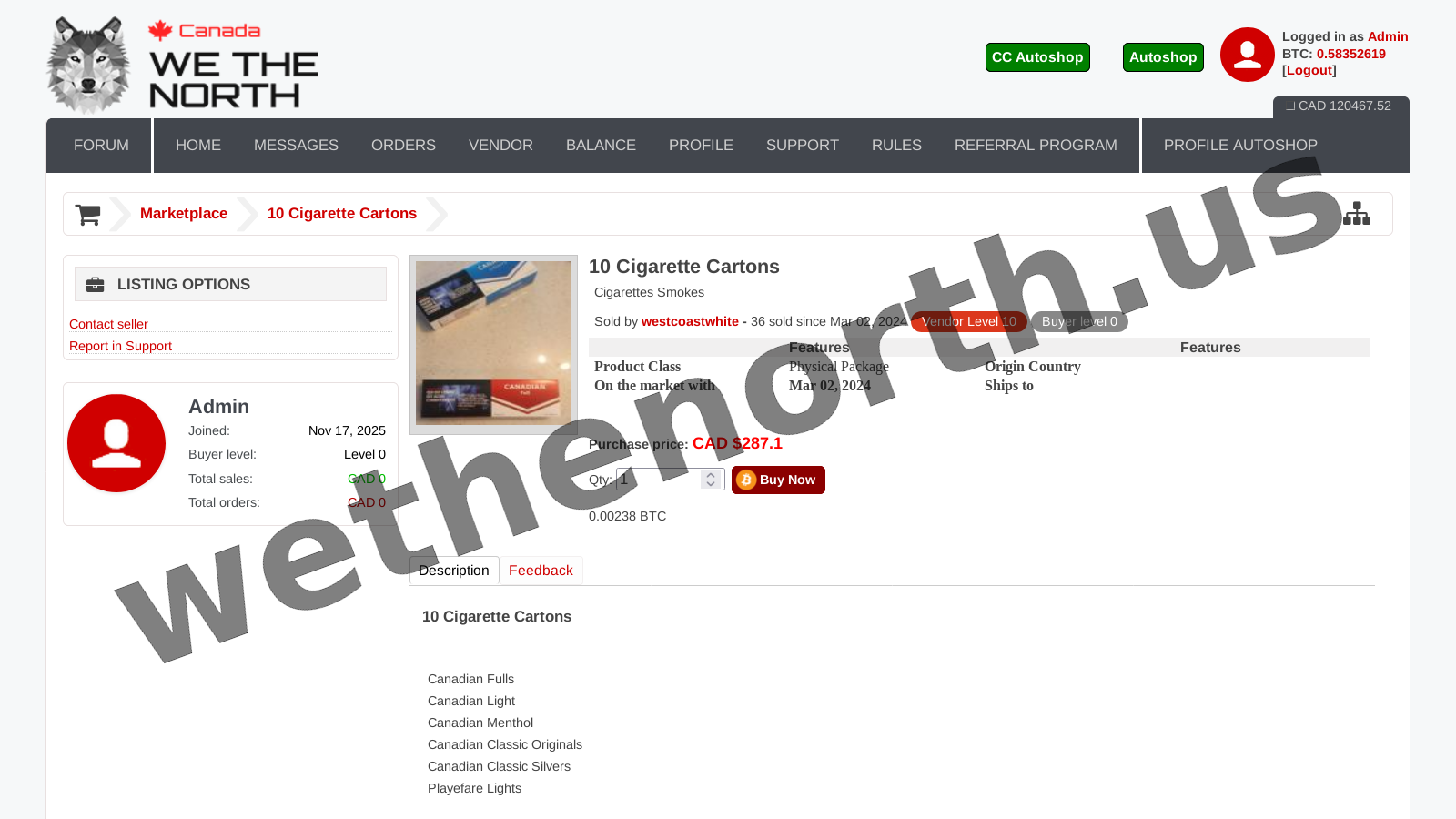
Platform Interface Preview
Community & Statistics
Analytics indicate a steadily growing participant base, heavily anchored by strict merchant verification policies designed to uphold platform integrity. Reputation systems are structured to favor longevity and proven transactional success over high-volume anomalies.